How to Reduce Body Fat Percentage Without Losing Muscle
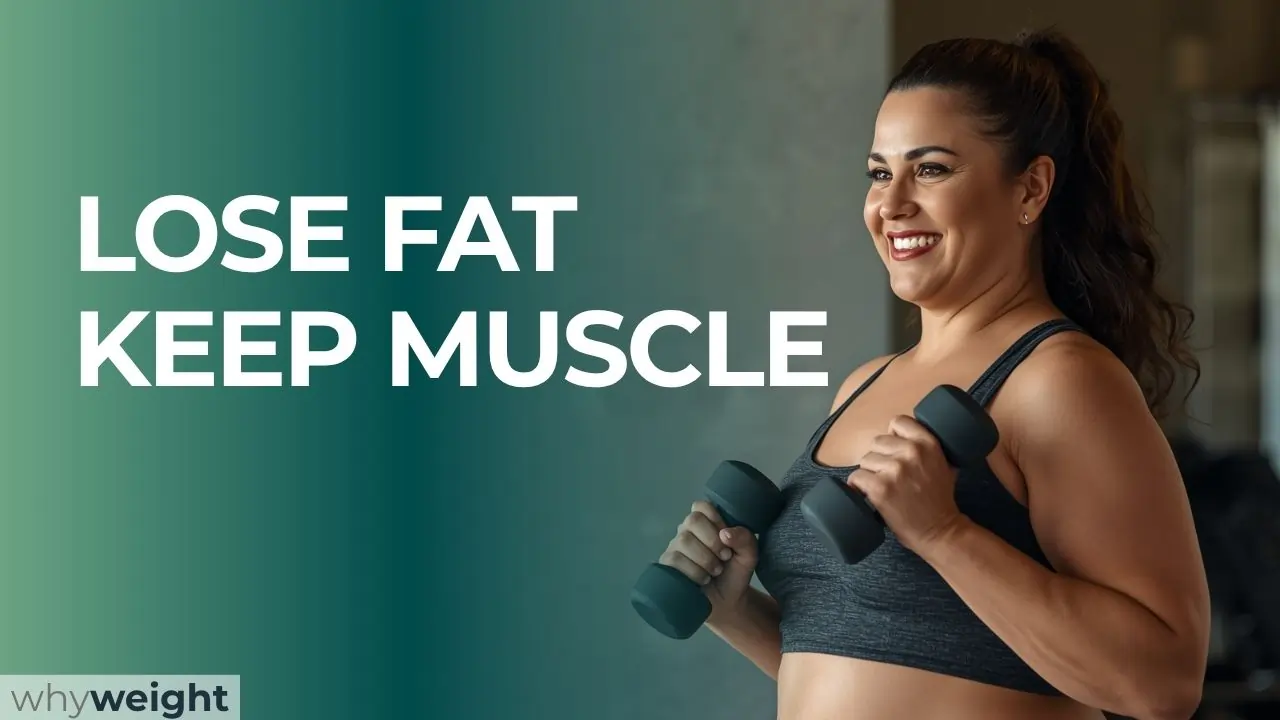
When it comes to losing weight, most people struggle to lose weight. However, when it comes to losing the right kind of weight, where you lose fat but not muscle mass, that is just another story. If you’re actively researching how to reduce body fat percentage, you’re in the right place.
The fact of the matter is that most individuals are so preoccupied with moving the weight needle that they fail to research how to lower body fat percentage while retaining, or even growing, muscle mass. Ultimately, they find themselves feeling weaker, fatigued and actually enraged at the whole process, with many just giving up after a while and going back to an unhealthy lifestyle.
But here’s the good news! Using intelligent dieting, the right exercises and a few simple changes to your lifestyle, you will be able to lose body fat while maintaining, and even gaining, muscle. This is what you must know about the method of losing your body fat percentage in a manner that is effective.
START FREE WEIGHT LOSS ASSESSMENT
Why Saving Muscle Matters
Let’s first talk about why muscle is worth protecting before you jump in head first into a diet/exercise regimen. Muscle burns calories even when you're doing absolutely nothing — which is kind of the dream for everyone, isn’t it? The fact of the matter is this: the more muscle you have, the higher your metabolism becomes, the easier it is for your body to lose long-term fat. Many people make use of metabolism-boosting smoothies to speed up their metabolism while taking much needed protein, fiber and other minerals.
Moreover, muscle is what gives your body actual shape and tone. So, even if you figure out how to lose weight within X months, without having a solid plan to build muscle while losing weight, you may end up looking softer than expected.
So, if you connect the dots on what’s been discussed so far, you should be able to figure out that losing muscle also slows your metabolism, which makes keeping the weight off a much tougher job.
So, how to reduce body fat percentage while maintaining/growing muscle mass? We’ll, here’s how:
1. Begin With a Chill, Moderate Calorie Deficit
To reduce the proportion of body fat, one thing is certain: you do need a calorie deficit. But you don’t need to starve — the goal is a moderate deficit.
Cutting calories too drastically might make the scale drop quickly, but your muscle will drop right along with it. According to NHS UK, an average man needs about 2500 calories a day while a woman needs about 2000 calories. So, a sweet spot of around 300–500 calories below maintenance per day is what usually leads to about a pound of fat loss per week!
The best bit about gradually losing weight is that small, atomic habits can help in hitting the calorie deficit goals with very little effort. This works particularly for super-busy people who cannot add a dedicated exercise or diet control regimen to their schedule.
If you’re confused about the numbers or want guidance, a weight loss service can help you figure out the best target based on your lifestyle and goals.
2. Protein: Your Muscle’s Best Friend
Protein is the one thing that is absolutely non-negotiable. If you want to maintain muscle while learning how to reduce body fat percentage, protein is the star of the show.
As per Mayo Clinic, you should be getting 10% to 35% of your total daily calories in the form of protein. So, for someone who needs 1600 calories a day to stay in a calorie deficit, minimum 160 calories should come from protein sources.
You can spread this protein intake across 3–4 meals so you stay full and help your body protect your muscle. Eggs, fish, Greek yogurt, lean chicken breast, beans and yes, even protein shakes, all count!
3. Lift Something!
You can’t keep muscle without using muscle. Strength training is your magic ingredient if you want to lose fat and still look toned.
Work each major muscle group twice a week, and aim to gradually increase your weight or reps over time. Whether you prefer machines, free weights, or bodyweight moves doesn’t matter, consistency does.
Even if you're totally new to how to lose weight, just a few resistance-training sessions a week can dramatically reshape your body.
4. Cardio Is Great… Until It’s Too Much
Cardio definitely helps, but too much of it can interfere with muscle recovery. When thinking about how to lower your body fat percentage, treat cardio as a calorie-burning tool, not the main event.
Stick to 20–30 minutes of moderate cardio 2–4 times a week. If you like longer sessions, that’s fine, just eat enough to keep your energy up.
HIIT is another strong option, because it’s efficient and generally easier on muscle than long, slow cardio.
5. Sleep: The Underestimated Secret Weapon
People seriously underestimate how much sleep affects fat loss. When learning how to reduce body fat percentage, remember that sleep affects your hunger signals, cravings, and muscle recovery.
Aim for 7–9 hours of sleep in a cool, dark, quiet room and yes, putting your phone down earlier actually helps (tragic, but true). This is supported by a research study cited in the National Library of Medicine.
6. Don’t Let the Scale Stress You Out
The scale never tells the whole story. If you're losing fat and building muscle at the same time, your weight might barely move, but your body shape will change a lot.
Track progress with photos, measurements, strength levels, and how your clothes fit. If you have access to DEXA scans or other body-composition tools, even better.
7. Seek Professional Assistance If Needed
Fat loss can be confusing, and everyone’s body responds differently. If you feel stuck learning how to reduce body fat percentage, seeking qualified guidance can make a huge difference in pointing you in the right direction.
In Ontario, there are OHIP-covered weight loss programs that connect you with medical professionals who specialize in weight management. They can help with customized plans, coaching, and sometimes medical support in the form of prescription weight loss medications, such as Zepbound, Wegovy, or Contrave to name a few.
START FREE WEIGHT LOSS ASSESSMENT
8. Be Patient (Seriously)
Out of everything you’ll learn about how to reduce body fat percentage, patience might be the biggest key. Real, long-lasting changes take time. Quick-fix programs can drop pounds fast, but the results rarely last and they usually take muscle along with them. So, as the age-old adage goes, “Consistency is Key”.
Give yourself 8–12 weeks of consistent nutrition, lifting, movement, and sleep before expecting major changes. Your body needs time, but if you stay steady, the results will most definitely come.
In a Nutshell
Weight loss can be confusing and tough to follow through. Giving up on hardened lifestyle choices is not easy. Couple this with not knowing how to reduce body fat percentage while maintaining muscle mass, and it’s no wonder that most people give up their weight loss journey either due to low energy, poor metabolism, failing to move the weight needle, or just focusing on the weight and not the gains in body measurement. Therefore, it’s important to learn how to reduce your body fat percentage while building up muscle mass to ensure you learn the skills necessary that will last a lifetime. And remember, if you’re in Ontario, Canada, there are qualified weight loss services available to help you get started.
START FREE WEIGHT LOSS ASSESSMENT
Frequently Asked Questions
Can I lose body fat without losing muscle?
Yes — with enough protein, strength training, and a moderate calorie deficit, you can lose fat while keeping muscle.
What is the 3 3 3 rule for fat loss?
It usually refers to doing 3 strength workouts, 3 cardio sessions, and 3 mobility sessions per week to support balanced fat loss.
How do I force my body to burn fat instead of muscle?
Eat enough protein, lift weights, avoid extreme calorie cuts, and get proper sleep so your body preserves muscle during fat loss.
Is 25% body fat chubby?
It depends on gender and frame, but 25% is generally considered average—not lean, but not necessarily “chubby.”
What cardio is best for losing fat?
Both steady-state cardio (like brisk walking) and HIIT work well; the best one is the type you can do consistently.